
If you close your eyes and think of Jaisalmer in July, your mind probably goes straight to a warning label. You imagine a relentless sun, temperatures scratching at 40°C, empty desert camps, and streets so quiet you can hear the heat radiating off the stones. For a long time, the unwritten rule of Rajasthan travel was simple: avoid the deep desert until the winter winds arrive.
But this month, the internet is showing us something entirely different.
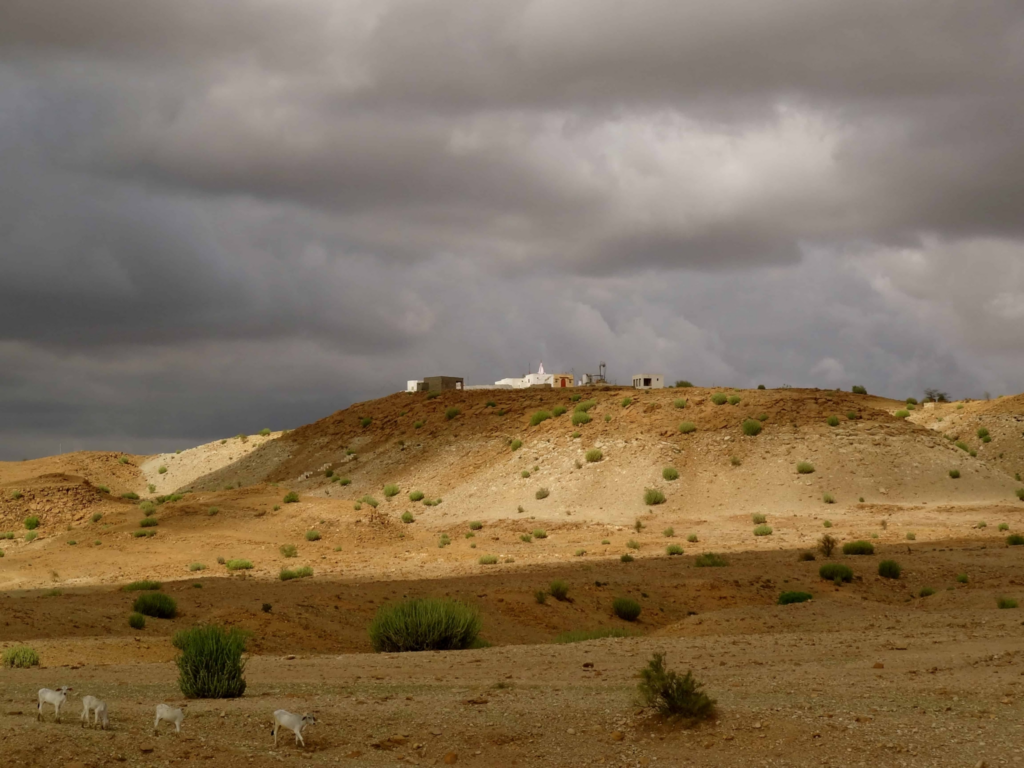
If you’ve spent any time on travel forums or social media over the last few weeks, you’ve likely seen the clips that are confusing everyone. The rolling ridges of the Sam Sand Dunes aren’t shimmering with heat waves; they are dotted with surprising patches of green. Heavy monsoon clouds are hanging low over the golden sandstone architecture of Sonar Quila, and the evening breeze coming off the Thar isn’t a blast furnace—it’s actually cool.
The “Monsoon Desert” has officially become the viral travel escape of the season. People are finally realizing that the absolute best time to see Jaisalmer isn’t when everyone else is there; it’s right now, when the desert breaks its own rules.
Why the Thar Hits Differently Right Now
When rain hits the Thar Desert, the transformation is instant and intoxicating. The bare, dusty ground gives way to a rare, subtle bloom of green flora, and the sand itself changes texture. It packs down, becoming cool, damp, and incredibly easy to walk on.
If you’ve ever tried to trek up a sand dune in October, you know the frustration of sliding back two steps for every step you take forward. Right now, a camel safari or a walk through the ridges feels completely effortless.
The secret is out for three major reasons:
- The Luxury Markdown: The premium boutique camps and private pool villas that command astronomical rates during the winter rush are running massive monsoon discounts. You get the entire royal treatment for a fraction of the cost.
- The Empty Citadel: Jaisalmer Fort is a living, breathing neighborhood. But in the winter, it gets jammed with tourist crowds. In July, you can walk through the ancient stone archways, sit at a quiet rooftop cafe, and watch the rain wash over the golden brickwork without a single selfie-stick blocking your view.
- The Celestial Nights: Desert rain showers are usually quick and intense, clearing the atmosphere completely. The moment the clouds break at night, the lack of dust and light pollution reveals a night sky so clear you can see the distinct arm of the Milky Way with the naked eye.
The Catch: The Road Belongs to the Land
As beautiful as a rain-washed desert is, getting out there requires a reality check. The journey from the main transit hubs down to the golden sands spans roughly 280 kilometers of open highway. In the dry months, it’s a simple cruise. In the monsoon, the desert highway demands respect.
Sudden, heavy downpours can cause water to collect rapidly on the low-lying stretches of the road. More importantly, the local wildlife—camels, deer, and cattle—frequently move onto the asphalt to escape the muddy, pooling water in the scrublands.
If you are planning to rent a car and drive yourself, you might find the combination of sudden blind curves, highway pooling, and roaming livestock stressful. To make the most of the trip, most travelers prefer to leave the steering wheel to someone who knows the highway’s moods by heart.
Planning Your Escape Route
If you’re ready to break away from the standard winter itinerary and catch the desert in its rarest form, here is how to structure the journey smoothly:
- Map the Logistics Early: Most travelers choose to land in the Blue City and pick up a reliable, high-clearance vehicle for the highway. Before you book, check out an honest, human breakdown on finding the best cab service in Jodhpur to ensure you are matching with a professional team.
- Take Your Time on the Highway: Don’t just rush through the transit day. The road between the two cities is packed with hidden gems. You can use a detailed Jaisalmer to Jodhpur road trip guide to plan your stops for hot earthen-pot tea and explore the red stone ramparts of Pokhran along the way.
- Balance Your Days: A solid Jaisalmer 2-day itinerary plan is the perfect sweet spot for a short trip. Spend your first day exploring the rain-kissed havelis and the fort city, and save your second afternoon for the damp, peaceful dunes of Sam.
- Pack Smarter: Don’t let the calendar confuse you. Read a realistic guide on the best time to visit Jaisalmer to understand how desert humidity shifts during the monsoon, and why keeping a light jacket handy for the cool sand breezes at night is essential.
Ride with the Locals: My India Cab Service
The magic of a monsoon road trip is the ability to relax, roll down the window, and smell the rain hitting the desert sand. You shouldn’t be squinting through a foggy windshield or worrying about highway pooling.
At My India Cab Service, based right in the Ratanada district of Jodhpur, we’ve spent years navigating the highways connecting the Blue and Golden cities. Our fleet of deeply cooled, high-performance sedans and premium family MUVs is thoroughly vetted for monsoon safety. Our drivers are local chroniclers who know exactly which highway dhabas serve the best food, where the safest stops are, and how to get you directly to your desert camp doorstep without a single hassle.
Let’s chase the monsoon sands together:
- Call / WhatsApp: +91 9828364070
- Direct Email: myindiacabservice@gmail.com
- Our Head Office: House No. 01, Shiv Mandir Road, Behind Krishna Mandir, Ratanada, Jodhpur, Rajasthan 342001